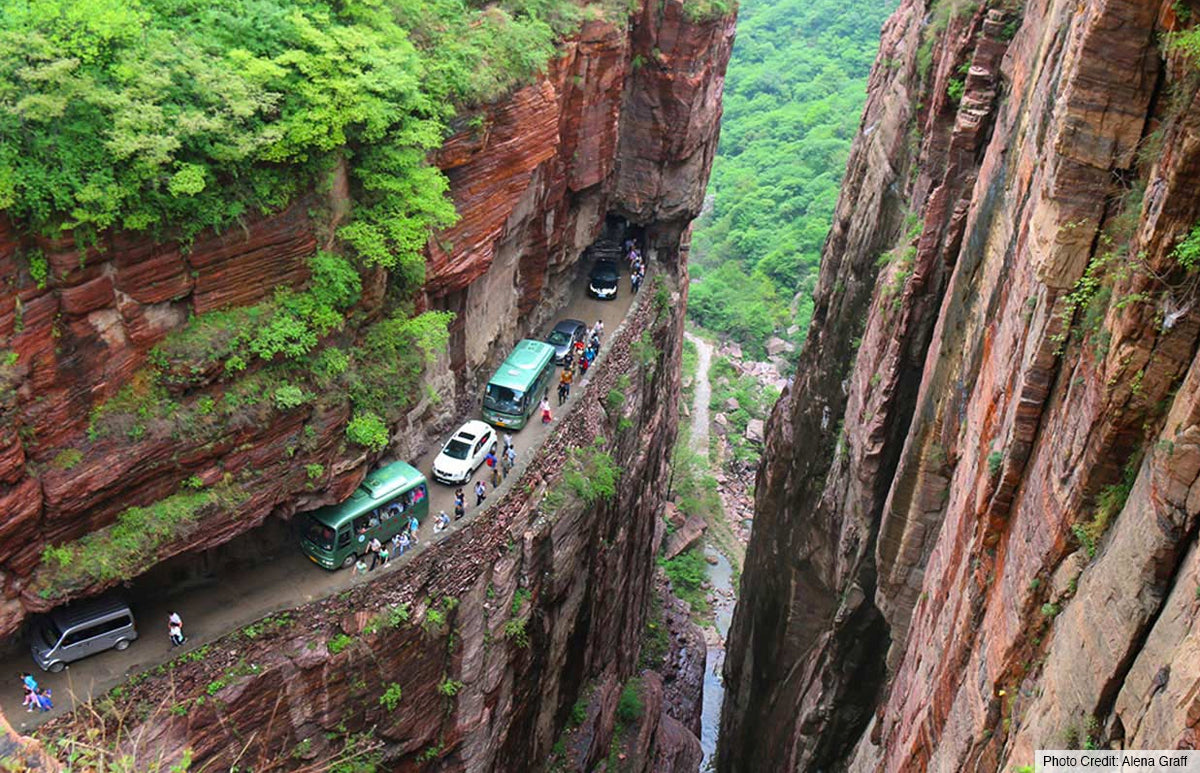
You’ve probably seen photos of breathtaking mountain roads and narrow cliffside highways. But what most people don’t realize is how dangerous some of these routes truly are. In this guide, you’ll discover the top 10 most dangerous roads in the world, why they’re so extreme, and how to travel them safely.
Key Takeaways
- Dangerous roads are routes with high risk due to terrain, weather, or poor infrastructure.
- Mountain geography significantly increases road danger levels due to cliffs and narrow paths.
- Weather conditions like fog, rain, and snow are major contributors to road accidents.
- Famous dangerous roads attract tourists despite risks because of their unique landscapes.
- Proper planning and safety precautions can significantly reduce travel risks.
- Modern navigation tools help travelers prepare for hazardous journeys.
- Understanding road risks improves global travel safety awareness.
What Are Dangerous Roads?
Dangerous roads are routes that pose significant risk due to environmental, structural, or weather-related hazards.
First, these roads often feature steep cliffs, narrow lanes, and extreme altitudes. For example, mountain roads carved into cliffs may have no guardrails, leaving no margin for error.
Second, poor infrastructure and unpredictable weather increase risk levels. For instance, fog and rain can reduce visibility to near zero on already narrow paths.
Dangerous roads are defined by high accident potential caused by natural and human factors. This makes them both fascinating and risky destinations.
Why Dangerous Roads Matter
Dangerous roads matter because they impact safety, engineering innovation, and global travel awareness.
First, they highlight real-world travel risks. For example, some roads historically recorded hundreds of deaths annually, emphasizing the importance of caution. (Geography Worlds)
Second, they showcase engineering challenges. Roads like high-altitude highways require advanced construction techniques to survive landslides and earthquakes.
Third, they attract tourism and adventure seekers. Many travelers explore these routes for extreme travel experiences [https://www.hostelworld.com/blog/10-of-the-best-extreme-travel-adventures-in-the-world/]
Understanding dangerous roads helps travelers make informed decisions and travel safely.
What Are the Top 10 Most Dangerous Roads in the World?
The top 10 most dangerous roads in the world are routes known for extreme terrain, high accident rates, and hazardous conditions.
North Yungas Road (Bolivia) — “Death Road”
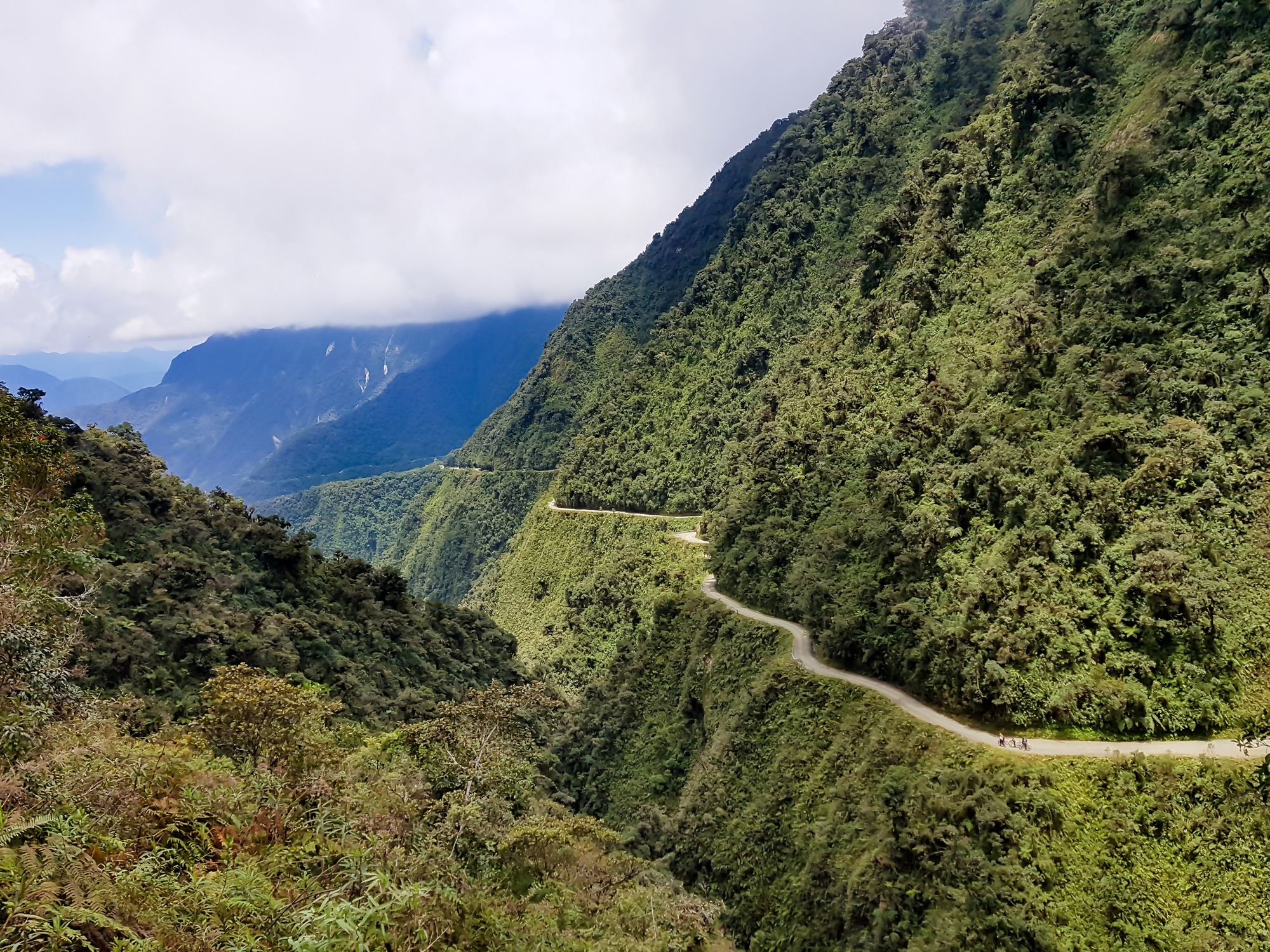
First, this is widely considered the deadliest road in the world.
- Why dangerous: Narrow path, no guardrails, 600m drops
- Key fact: 200–300 deaths per year before 2006 (Geography Worlds)
- Unique feature: Now popular for mountain biking.
Karakoram Highway (Pakistan–China)
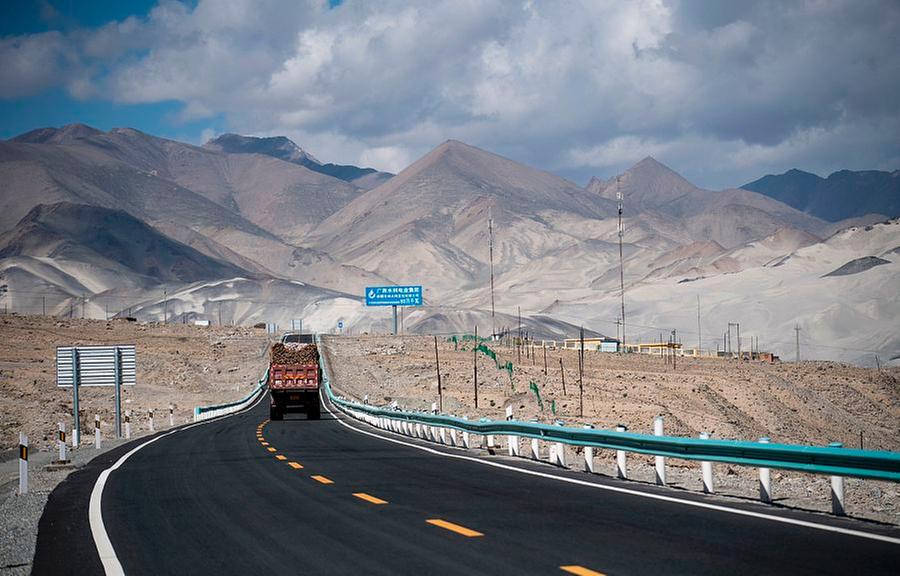
Second, this is the highest paved international road.
- Why dangerous: Landslides, avalanches, earthquakes
- Key fact: Over 800 workers died during construction (Geography Worlds).
Zoji La Pass (India)
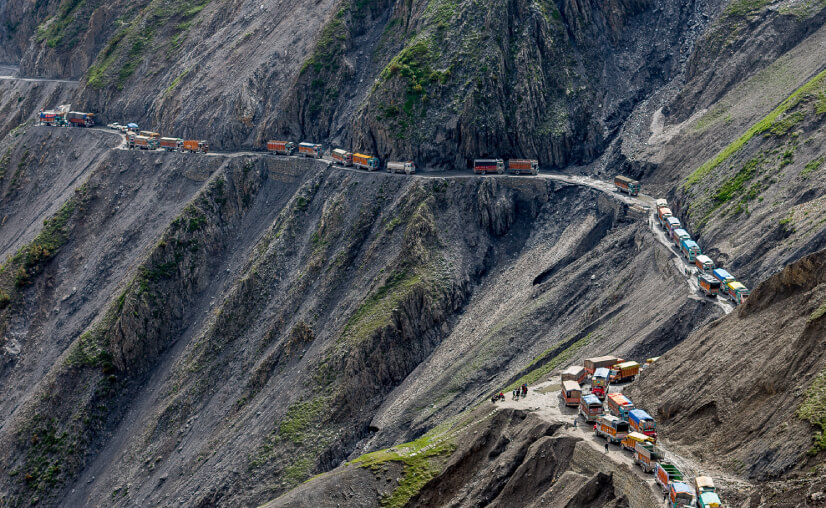
Third, this road connects Kashmir to Ladakh.
- Why dangerous: Narrow dirt road, extreme altitude
- Unique feature: Often closed during winter
Fairy Meadows Road (Pakistan)

Next, this road is extremely narrow and steep.
- Why dangerous: No barriers, single-lane track
- Fact: Only local drivers are allowed in many cases (Science Focus)
Sichuan–Tibet Highway (China)
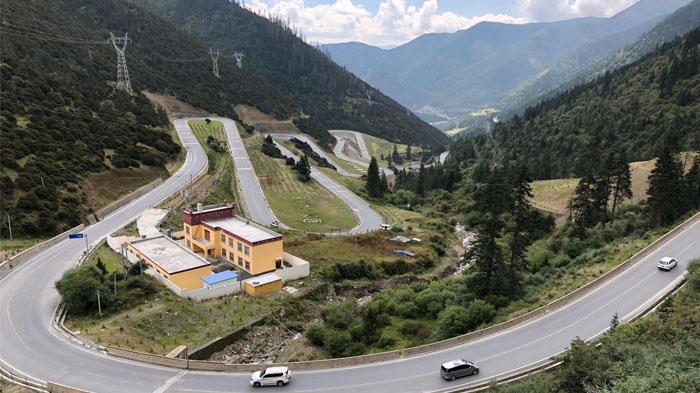
Moreover, this road is known for frequent landslides.
- Why dangerous: Avalanches, high altitude, long travel time
- Fact: Journeys can take up to 15 days (Science Focus)
Dalton Highway (Alaska, USA)

Additionally, this is one of the most isolated roads.
- Why dangerous: Ice, snowstorms, lack of services
- Unique feature: Featured in Ice Road Truckers
Bayburt D915 Road (Turkey)
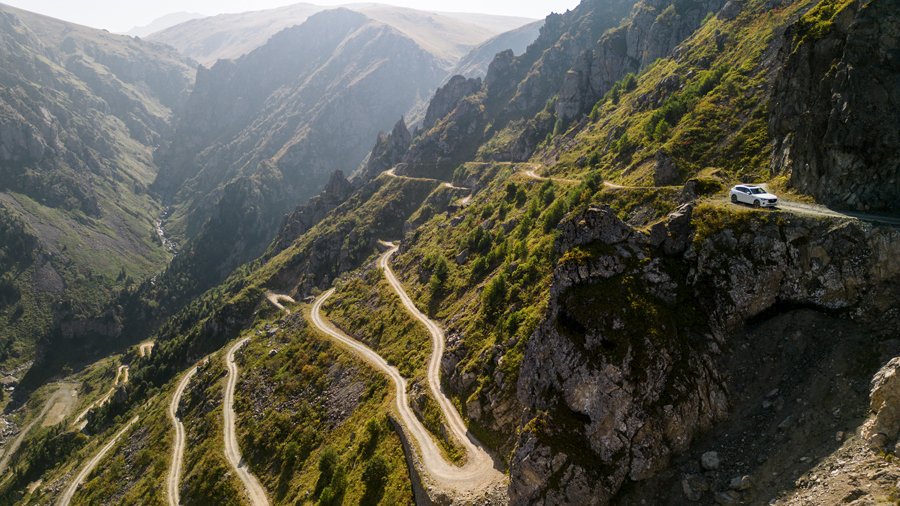
Furthermore, this road has extreme hairpin bends.
- Why dangerous: Sharp curves, poor road surface
- Unique feature: Former Silk Road route (Science Focus)
Taroko Gorge Road (Taiwan)

Next, this road is carved through mountains.
- Why dangerous: Falling rocks, narrow tunnels
Skippers Canyon Road (New Zealand)

Also, this road requires special permission to drive.
- Why dangerous: Cliff edges, narrow width
Guoliang Tunnel Road (China)
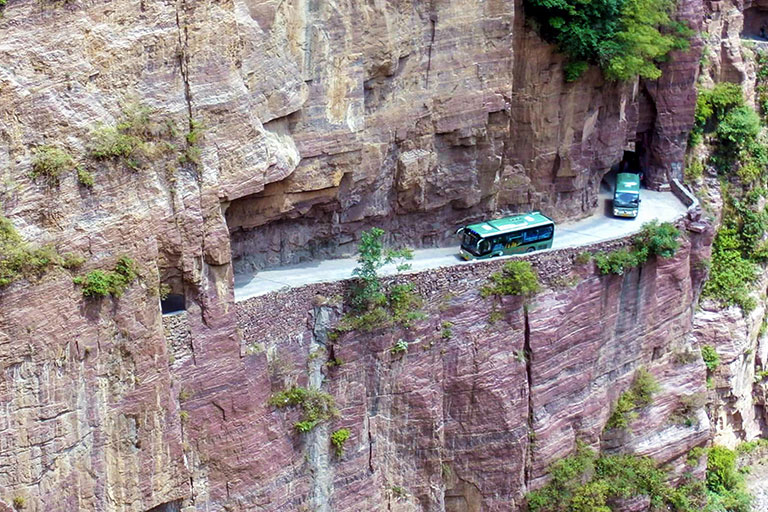
Finally, this road is carved through rock.
- Why dangerous: Tight tunnels, limited visibility
What Factors Increase Road Danger Levels?
Road danger levels increase due to factors such as poor maintenance, extreme weather, and lack of safety barriers.
1.Terrain and Geography
First, mountain terrain creates natural risks.
For example, steep cliffs and sharp turns make driving extremely difficult.
2.Weather Conditions
Second, weather significantly impacts safety.
For instance, fog, rain, and snow reduce visibility and traction.
3.Infrastructure Quality
Moreover, lack of guardrails and poor road surfaces increase accidents.
For example, unpaved roads can become slippery during rainfall.
Which Is the Deadliest Road in the World?
The deadliest road in the world is generally considered North Yungas Road in Bolivia due to its historical fatality rate.
First, it recorded 200–300 deaths annually before safety improvements. (Geography Worlds)
Second, its combination of narrow width, cliffs, and weather conditions makes it extremely dangerous.
North Yungas Road remains the most iconic example of a deadly road globally.
Why Do People Travel on Dangerous Roads?
People travel on dangerous roads for adventure, necessity, and content creation.
First, some communities rely on these roads as essential transport routes.
Second, travelers seek thrilling experiences similar to [Internal link: “best adventure travel destinations” → suggested target page/topic].
Third, creators use these locations for viral content and storytelling.
Dangerous roads attract tourists because they combine risk with breathtaking scenery.
What Safety Tips Should You Follow on Risky Roads?
Safety tips for dangerous roads include preparation, awareness, and proper driving techniques.
First, always research conditions in advance.
For example, check weather forecasts and local travel advisories.
Second, use reliable navigation tools like GPS apps [Internal link: “best travel apps for navigation” → suggested target page/topic].
Third, follow these practical tips:
- Drive slowly and cautiously
- Avoid night driving
- Use a well-maintained vehicle
- Keep emergency supplies
For more guidance, read our complete travel safety guide [Internal link: “complete travel safety guide” → suggested target page/topic].
Traveling on risky roads requires careful planning, proper vehicles, and awareness of local conditions.
Can Technology Help Reduce Road Accidents?
Technology helps reduce road accidents through navigation tools, real-time updates, and safety systems.
First, GPS apps provide real-time hazard alerts.
Second, AI-powered systems improve driver awareness and decision-making.
Third, mapping tools help with route planning and risk assessment [Internal link: “how to plan a road trip” → suggested target page/topic].
Modern technology significantly improves safety on dangerous roads.
Tools, Maps, and Planning Resources for Dangerous Roads
Travel planning tools help you prepare for risky roads and minimize hazards.
| Tool | Purpose | Example Use |
| Google Maps | Navigation | Route planning |
| Weather Apps | Forecasts | Avoid storms |
| Offline Maps | Backup | Remote areas |
| GPS Devices | Real-time tracking | Mountain routes |
What to Do Next (For Travelers & Content Creators)
Next steps involve planning safely and using these roads as content opportunities.
First, plan your journey using budget travel tips [https://www.worldpackers.com/articles/guide-to-budget-travel-tips].
Second, explore similar routes like top scenic drives in the world
Third, creators can turn this into engaging blogs or YouTube content.
Understanding risks allows you to transform danger into meaningful travel experiences.
Conclusion
The top 10 most dangerous roads in the world showcase the extreme intersection of nature, engineering, and human courage. While these roads offer breathtaking views and thrilling experiences, they also demand respect, preparation, and caution.
If you plan to explore them, prioritize safety and knowledge. Adventure is exciting—but staying safe makes the journey truly worthwhile.
Written by Hash (SEO Specialist with 2+ years experience, websites rank on Google and get cited by AI tools)
Reviewed by Editorial Travel & Safety Expert
Disclaimer: This article was initially drafted using AI assistance. However, the content has undergone thorough revisions, editing, and fact-checking by human editors and subject matter experts to ensure accuracy.