Off the southeastern coast of Africa, Madagascar feels like a world of its own. Isolated for millions of years, this extraordinary island is home to landscapes and wildlife found nowhere else on Earth. From dense rainforests filled with lemurs to towering baobab trees and untouched coastal escapes, Madagascar offers a journey that is both adventurous and deeply enriching.
A Land of Unique Wildlife
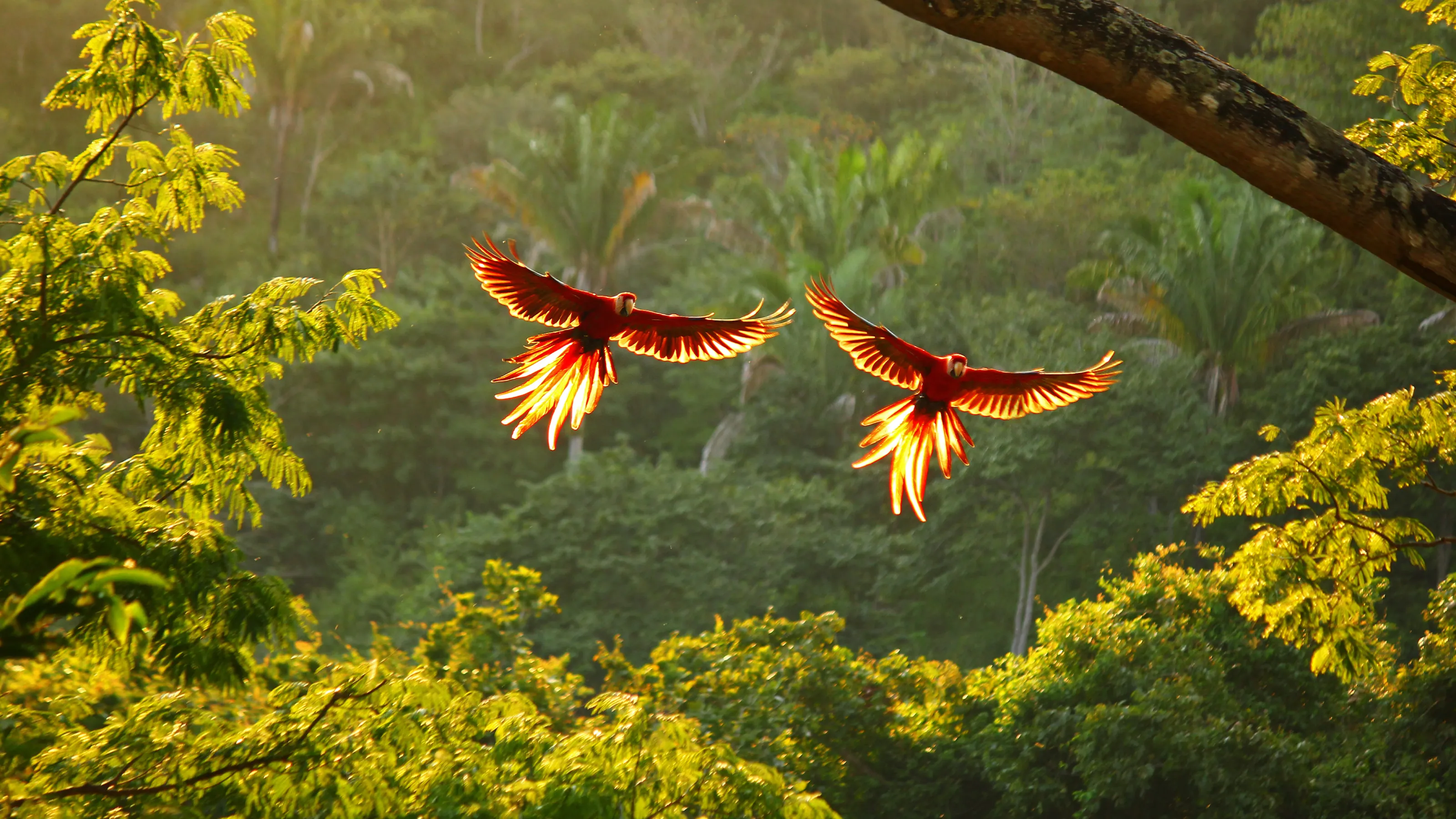
Madagascar is famous for its biodiversity, with over 90 percent of its wildlife found only here. One of the best places to experience this is Andasibe-Mantadia National Park, where visitors can spot the indri, the largest living lemur, known for its haunting calls echoing through the forest. Walking through these rainforests feels like stepping into a living nature documentary.
Another highlight is Ranomafana National Park, a lush and misty reserve rich in rare species, waterfalls, and natural hot springs. Night walks here reveal a completely different side of the forest, with nocturnal creatures coming to life.
The Iconic Avenue of the Baobabs

One of the most photographed places in Madagascar is the Avenue of the Baobabs. These ancient trees, some over 800 years old, stand tall against the sky, creating a surreal landscape. Visiting at sunrise or sunset offers a magical experience as the golden light transforms the scenery into something unforgettable.
Volcanic Landscapes and Dramatic Scenery
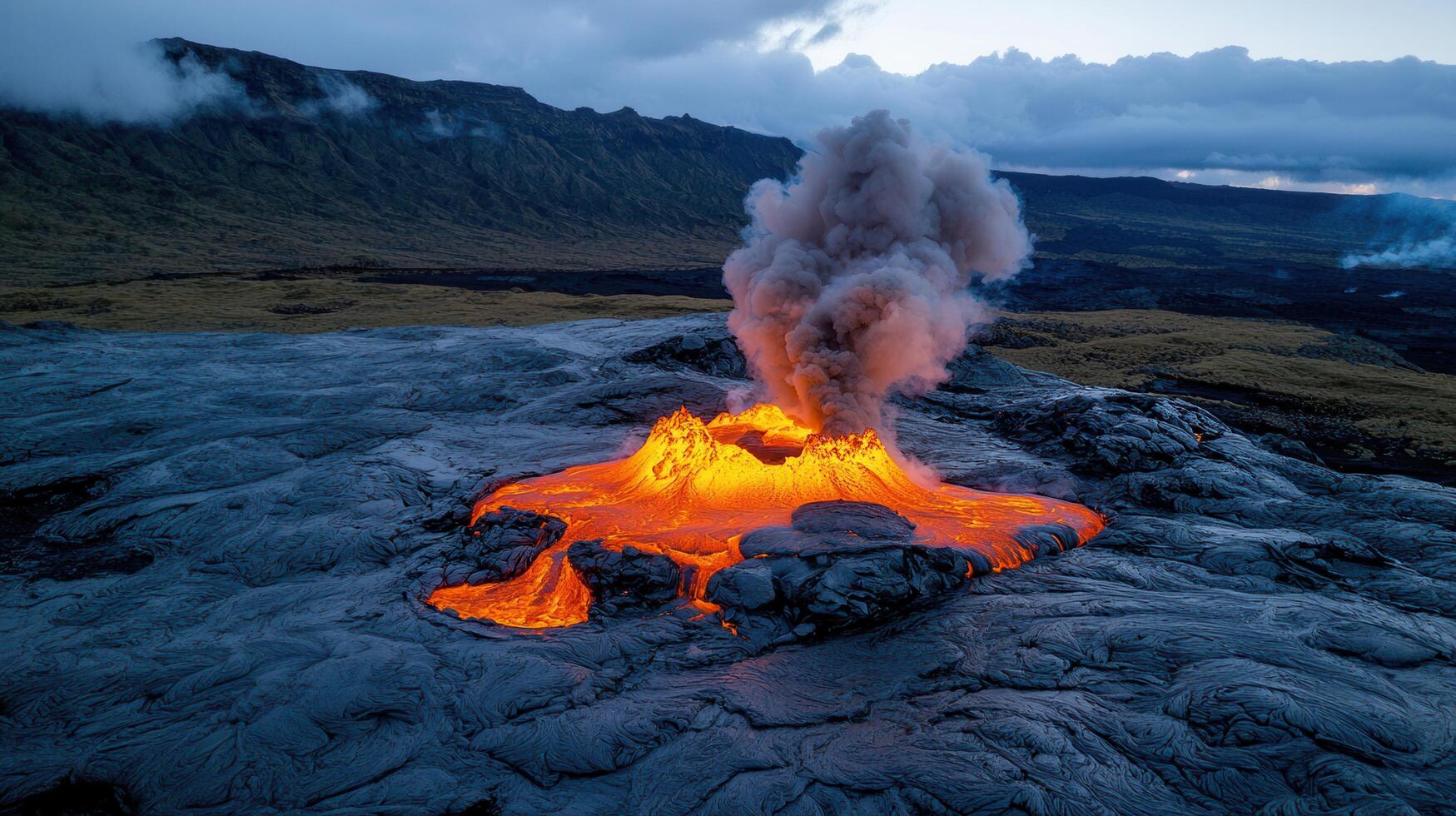
Madagascar’s terrain is incredibly diverse, featuring everything from highlands to dramatic rock formations. Isalo National Park is known for its canyons, sandstone formations, and natural swimming pools. Hiking through this park reveals breathtaking views and hidden oases, making it a paradise for adventure lovers.
Pristine Beaches and Coastal Escapes

For those seeking relaxation, Madagascar’s coastline offers some of the most untouched beaches in the world. Nosy Be is a popular destination known for its turquoise waters, coral reefs, and laid-back atmosphere. It’s perfect for snorkeling, diving, and enjoying tropical island life.
For a more remote experience, smaller islands around Nosy Be provide quiet beaches and crystal-clear waters, ideal for travelers looking to escape crowds.
Rich Culture and Local Life
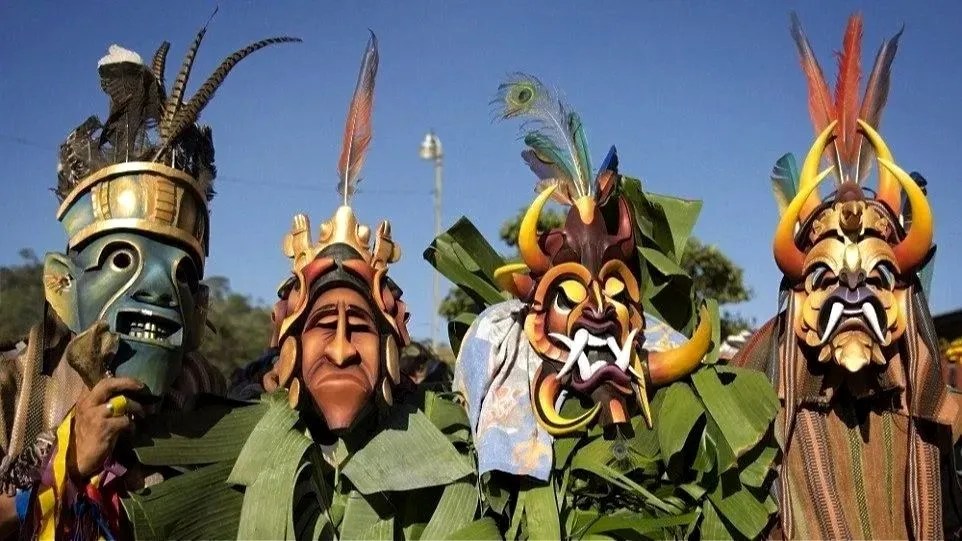
Madagascar’s culture is as diverse as its landscapes. Influenced by African, Asian, and French traditions, the island offers a unique blend of customs, music, and cuisine. Visiting local villages allows travelers to experience traditional lifestyles, markets, and crafts.
Food in Madagascar often includes fresh seafood, rice-based dishes, and tropical fruits, giving visitors a taste of the island’s natural richness.
Best Time to Visit
The best time to visit Madagascar is from April to November, when the weather is cooler and drier. This period is ideal for wildlife viewing, hiking, and exploring national parks.